What is ADAS?
Your windshield has cameras behind it.
Advanced Driver Assistance Systems (ADAS) are the safety features built into most newer vehicles: lane departure warnings, lane-keeping assist, forward-collision alerts, automatic emergency braking and adaptive cruise control.
Many of these systems rely on a camera mounted behind your windshield. When the windshield is replaced, that camera has to be recalibrated so it sees the road exactly the way the manufacturer intended.
See it in action
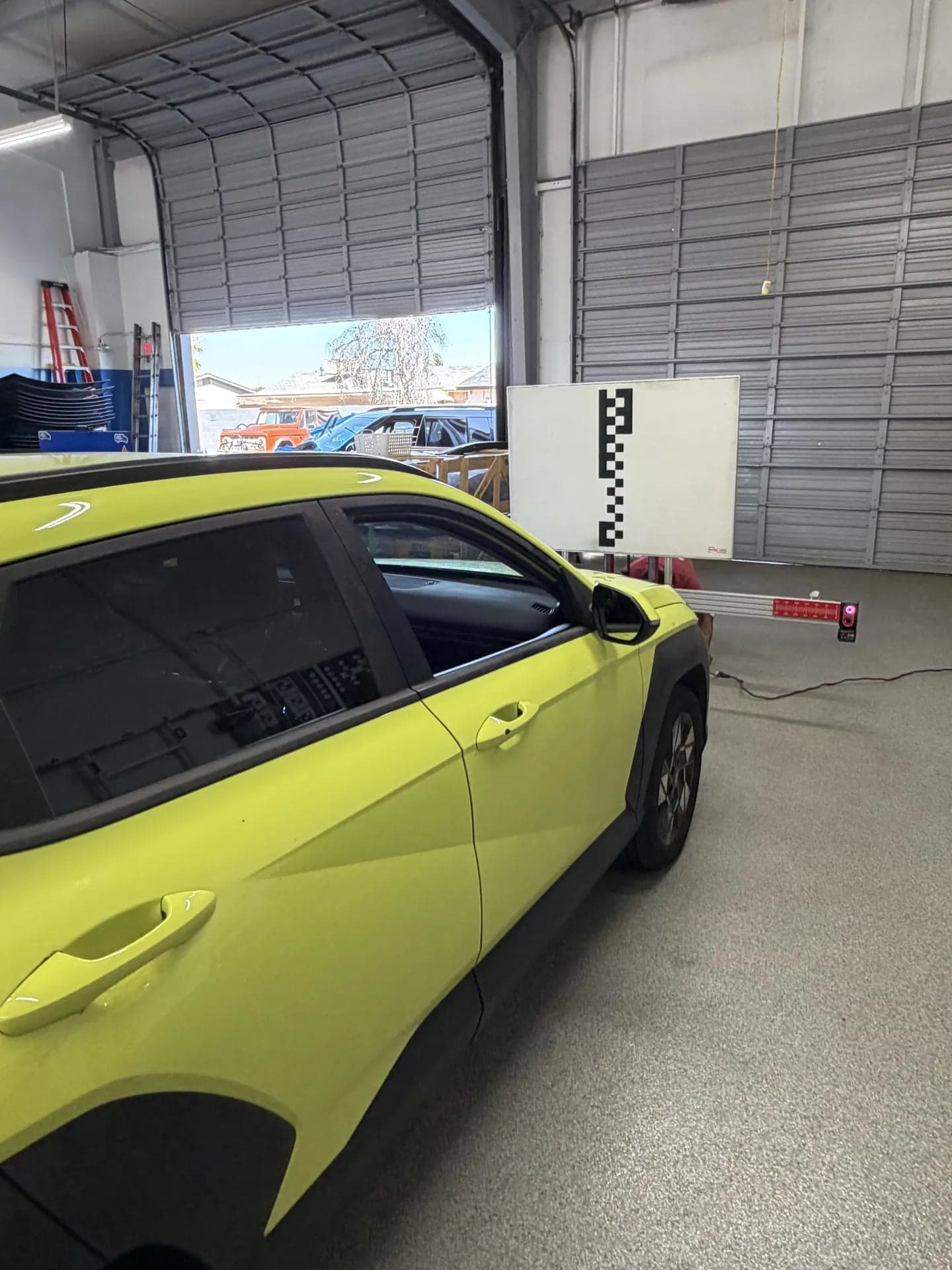
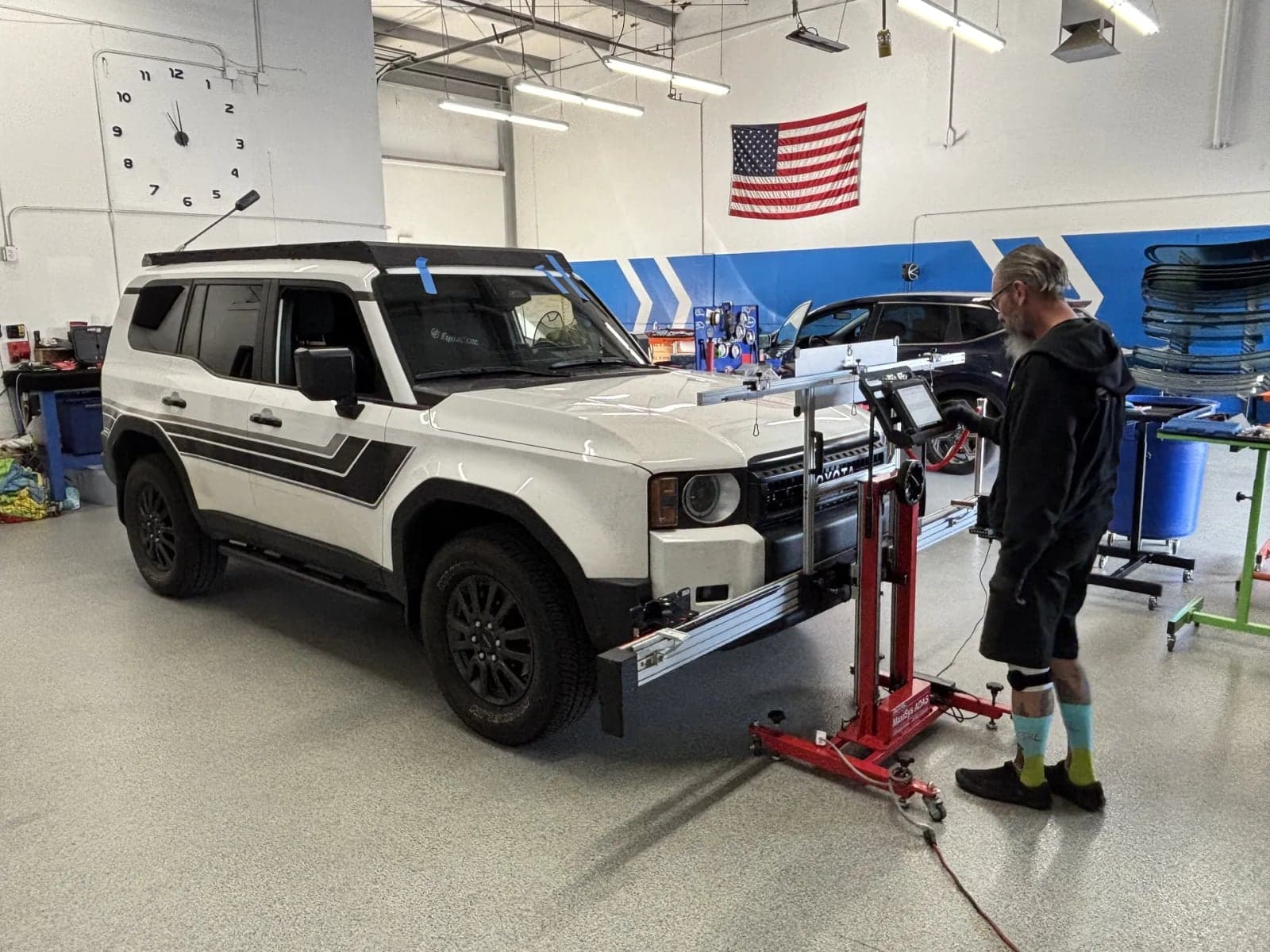
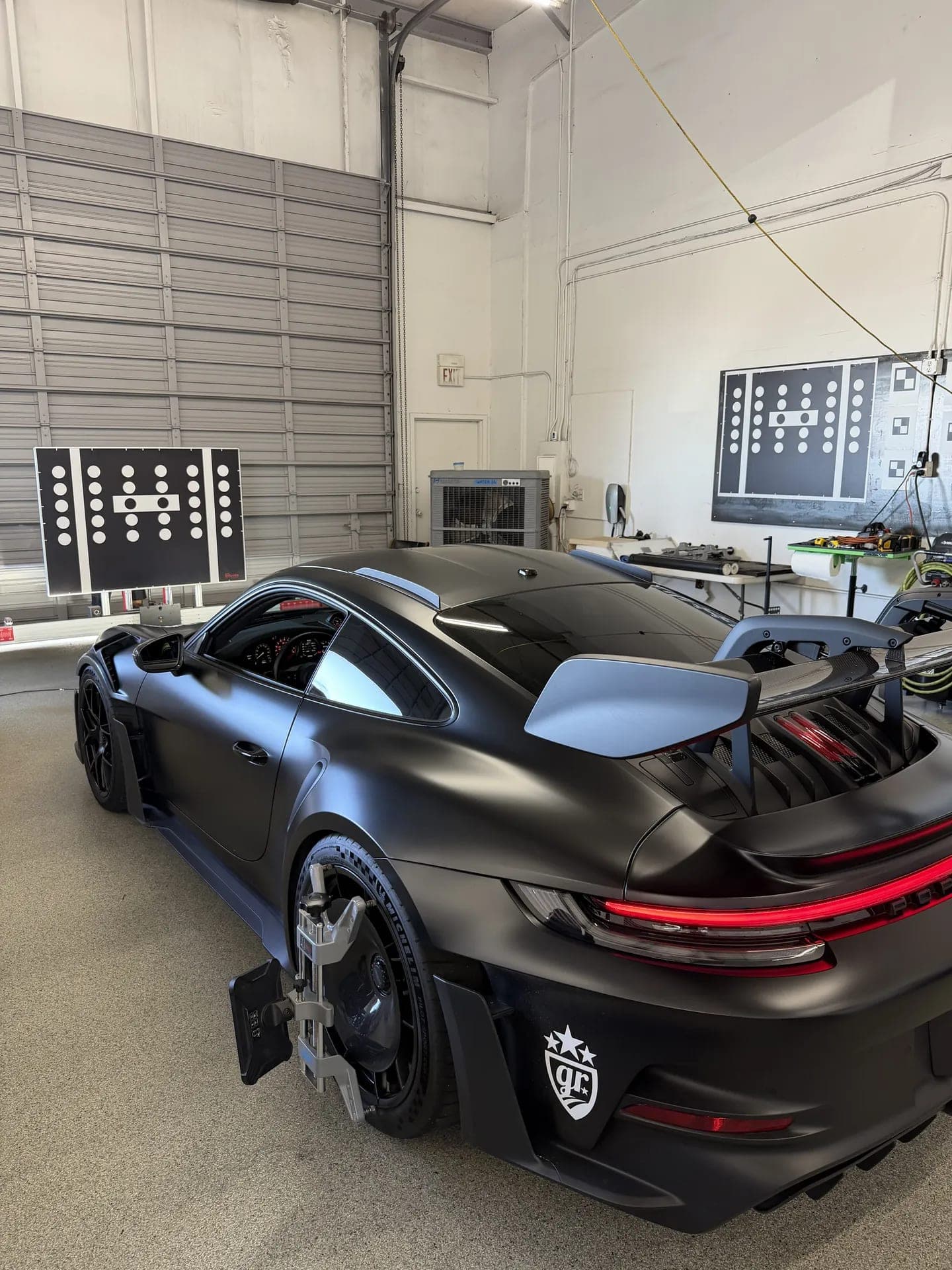
A static camera calibration in our shop
Calibration targets set up in front of the car and a scan tool connected, so the camera behind the new windshield sees the road correctly.
Press play to watch, with sound
What the camera runs
Safety features that depend on that camera
Lane departure warning
Alerts you when you drift out of your lane.
Lane-keeping assist
Gently steers you back toward the center of the lane.
Automatic emergency braking
Brakes for you when a collision is about to happen.
Adaptive cruise control
Keeps a set distance from the car ahead.
Traffic sign recognition
Reads speed limit and other signs.
Automatic high beams
Dims your high beams for oncoming traffic.
Why recalibration matters
A tiny angle becomes a big miss
When a windshield is replaced, the camera comes off the old glass and goes onto the new one. A difference of just one degree in its angle puts its view of the road about 1.7 feet off at 100 feet. That's the difference between seeing the lane line and missing it.
Our recalibration process
Advanced technology. Verified results.
From the initial diagnostic scan to the final road test, our technicians follow a comprehensive recalibration process designed around your vehicle's specific requirements, using professional Autel diagnostic and calibration technology.
- 01
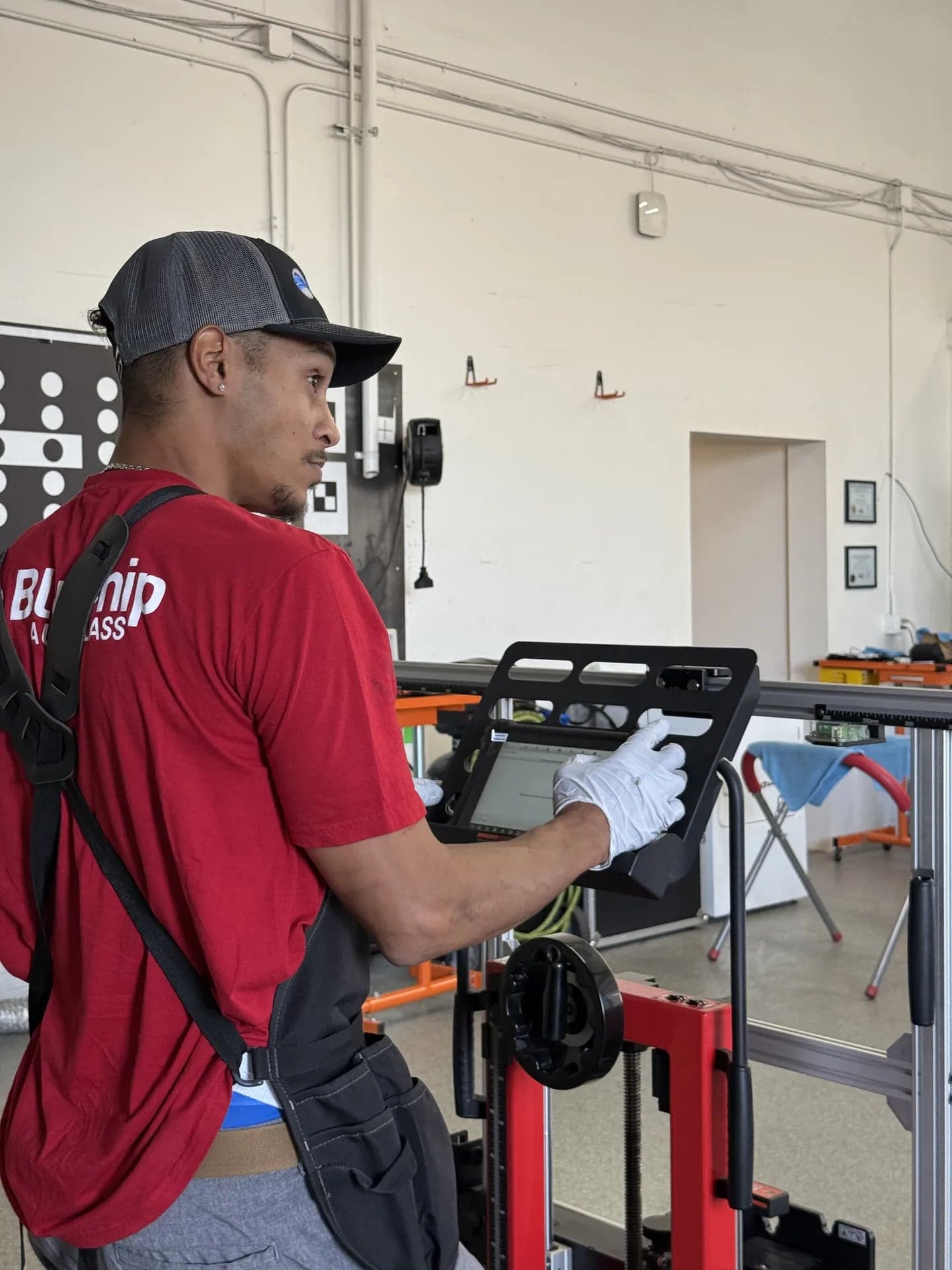
Pre-installation scan
Before removing your windshield, we connect our Autel diagnostic equipment and perform a comprehensive scan to document existing electronic faults and assess your vehicle's systems.
Read the detailsHide the details
Every vehicle. Every time. Before removing your windshield, our technicians connect professional Autel diagnostic equipment to your vehicle's onboard diagnostic system.
We perform a comprehensive pre-scan to identify and document existing diagnostic trouble codes (DTCs), including potential issues within the vehicle's electronic and driver-assistance systems.
This establishes a record of the vehicle's condition before work begins and helps identify pre-existing issues that could affect recalibration.
Why it matters
We identify existing electronic issues before beginning your windshield replacement, rather than discovering them afterward.
- 02
Windshield replacement
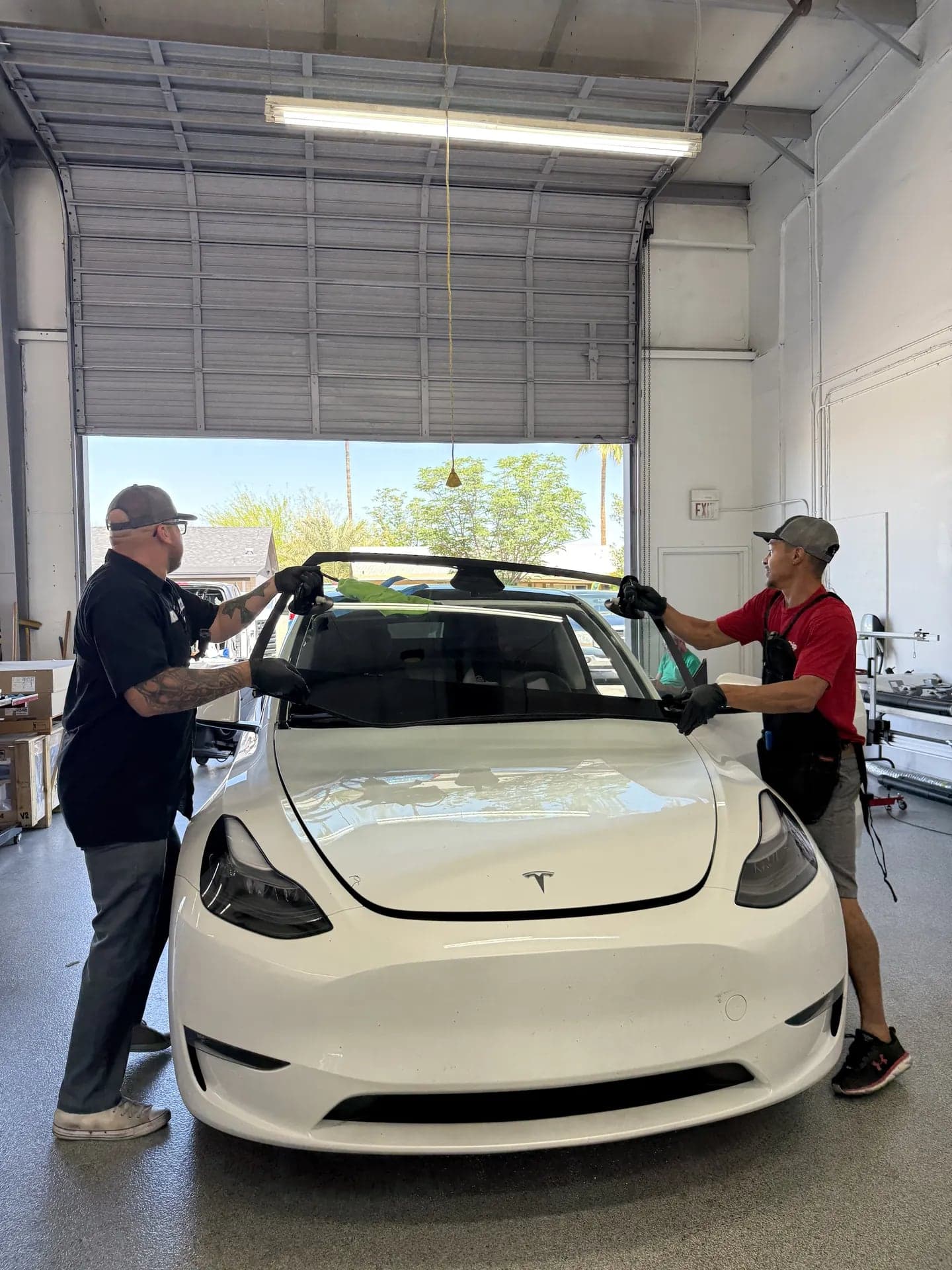
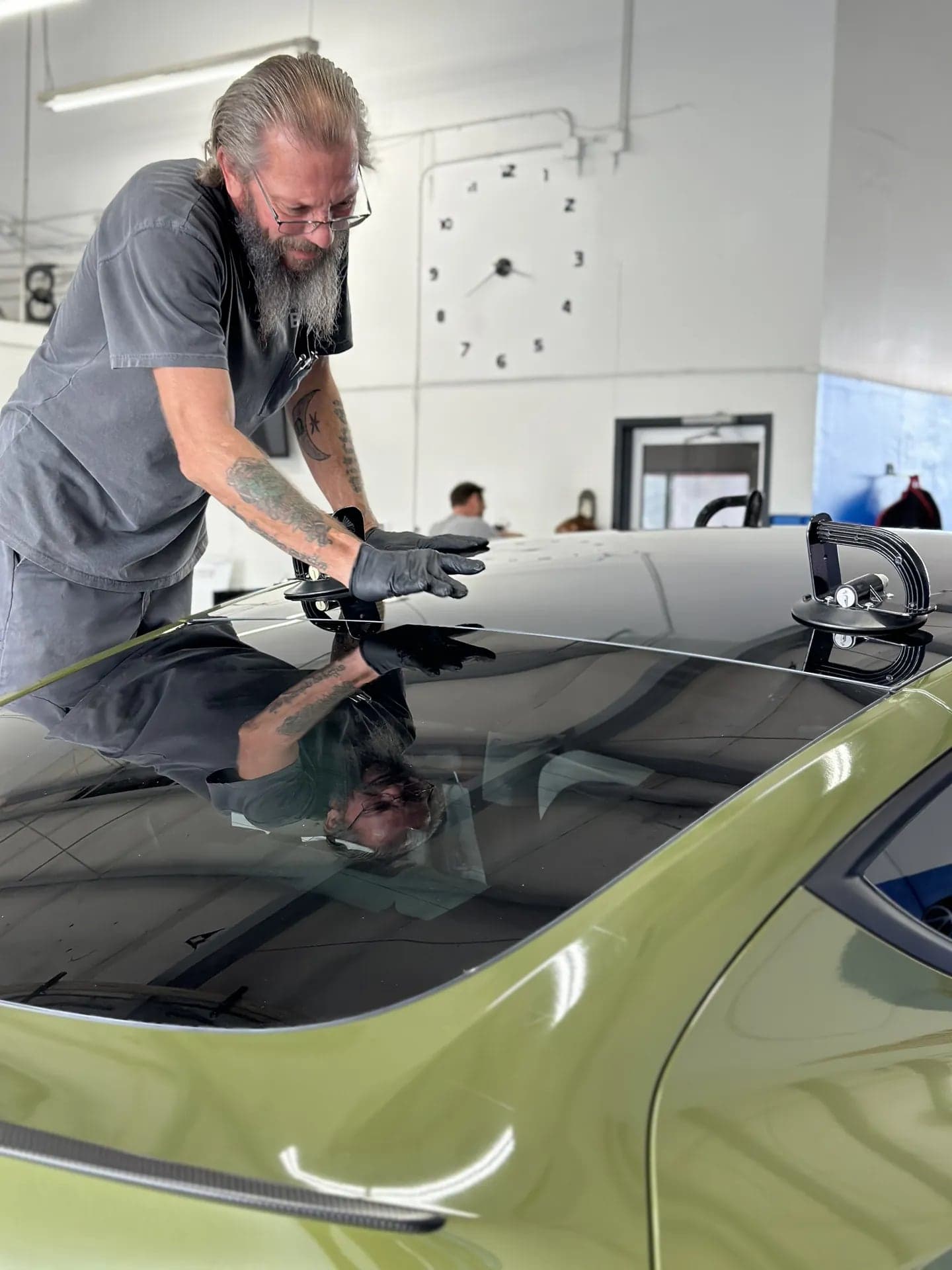
Our technicians professionally install your new windshield, prepare the camera system, and identify the manufacturer-required recalibration procedure.
Read the detailsHide the details
Once the diagnostic scan is complete, our technicians proceed with the windshield replacement.
After installation, we ensure the windshield-mounted camera and associated components are properly installed and ready for recalibration.
Using Autel's diagnostic software, we identify the manufacturer-required calibration procedure for your specific vehicle: static, dynamic or dual.
- 03
Precision recalibration
Using advanced Autel technology, we perform the required static, dynamic, or dual calibration procedure. Explore the three methods below.
In our shop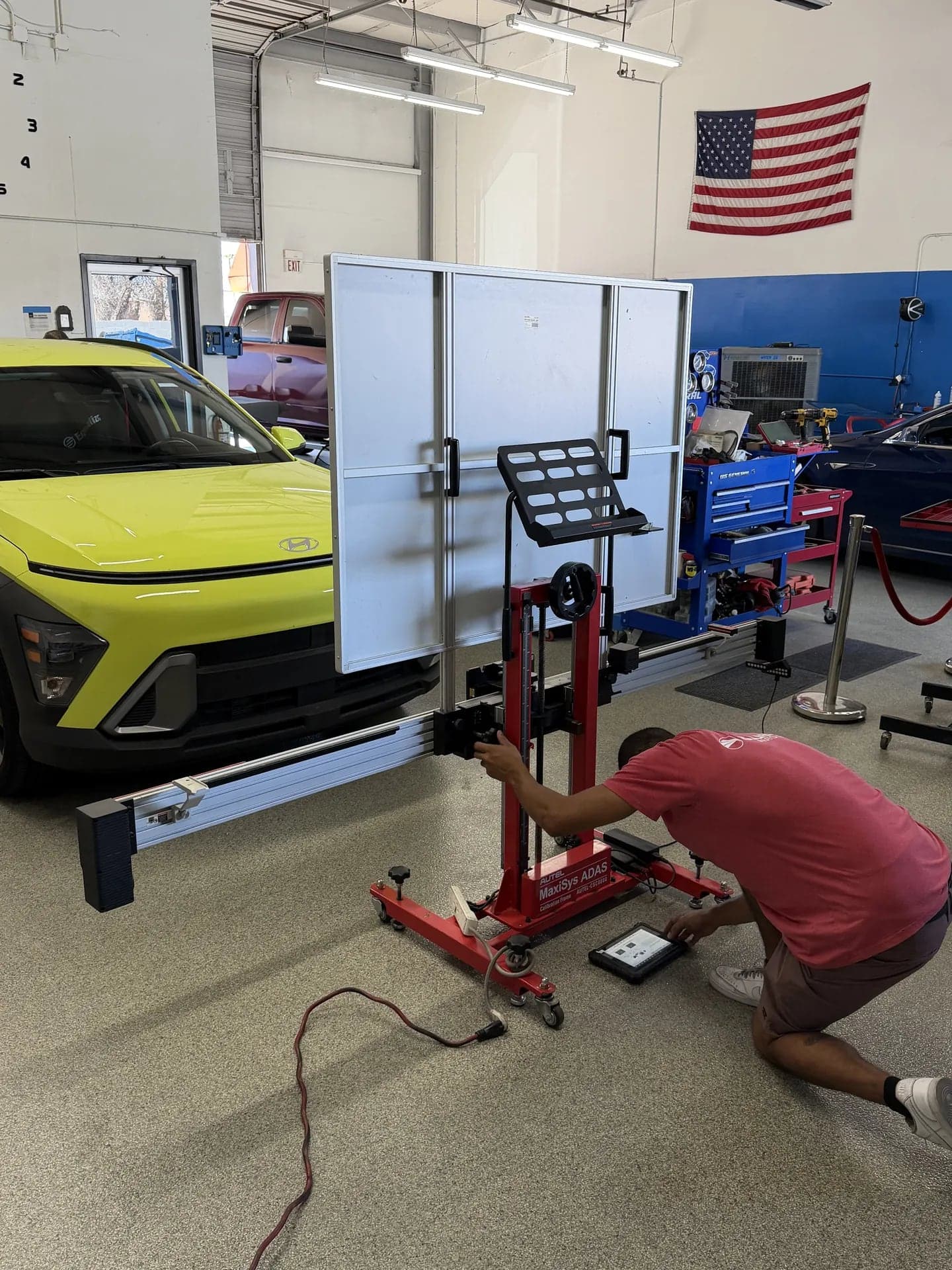
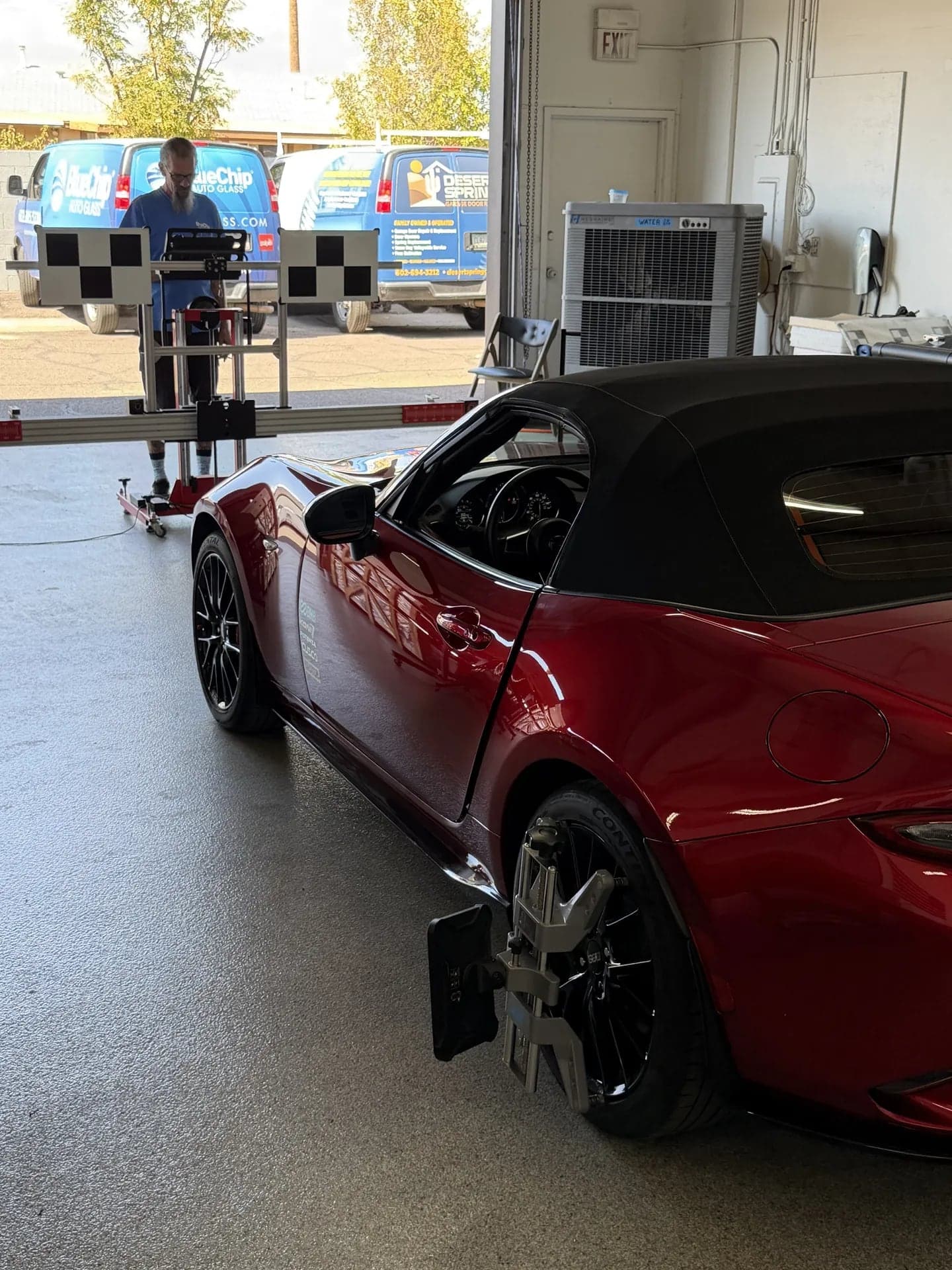
Static calibration
Precision in a controlled environment
Static recalibration requires specialized equipment, precise measurements, and manufacturer-specific calibration targets. We use Autel's optical positioning technology to accurately align the calibration equipment with your vehicle.
- 1
Vehicle positioning
We position the vehicle on a level surface and prepare it according to manufacturer requirements.
- 2
Optical target setup
We attach optical positioning targets to the rear wheels and place a reference target near the front of the vehicle. They work with Autel's camera-based positioning system to find the vehicle's position relative to the calibration frame.
- 3
Precision stand alignment
Using Autel's optical positioning technology, we adjust the calibration frame to the precise distance, height and alignment your vehicle requires.
- 4
Vehicle-specific targets
Autel's software identifies the right calibration target boards and guides us through the procedure. Different manufacturers and models need different targets, positions and sequences.
- 5
Camera calibration
With everything positioned, we start the calibration and follow the manufacturer's instructions until the system confirms completion.
- 6
Functional verification
We verify the camera system's operation, including testing Lane Departure Warning when equipped and when safe conditions allow.
Why it matters
Accurate calibration depends on precise positioning, correct targets, and following the vehicle manufacturer's procedures.
Teslas are the exception: we can do any Tesla calibration, static or dynamic, mobile.
- 1
- 04
Functional testing & post-scan
We verify applicable driver-assistance functions, including Lane Departure Warning when equipped, and perform a final diagnostic scan to review system status and document the results.
Read the detailsHide the details
Our work doesn't end when the calibration software reports success. After the required calibration and functional checks, our technicians perform a comprehensive post-scan using Autel's diagnostic equipment. This final scan allows us to:
- Check for diagnostic trouble codes
- Review calibration-related system information
- Identify unresolved electronic issues
- Compare post-service findings against the initial pre-scan
- Document the vehicle's diagnostic condition after service
If an issue is identified, we investigate it before considering the service complete.
Why it matters
Our pre-scan and post-scan process provides an additional layer of verification and helps distinguish pre-existing vehicle issues from concerns discovered during service.
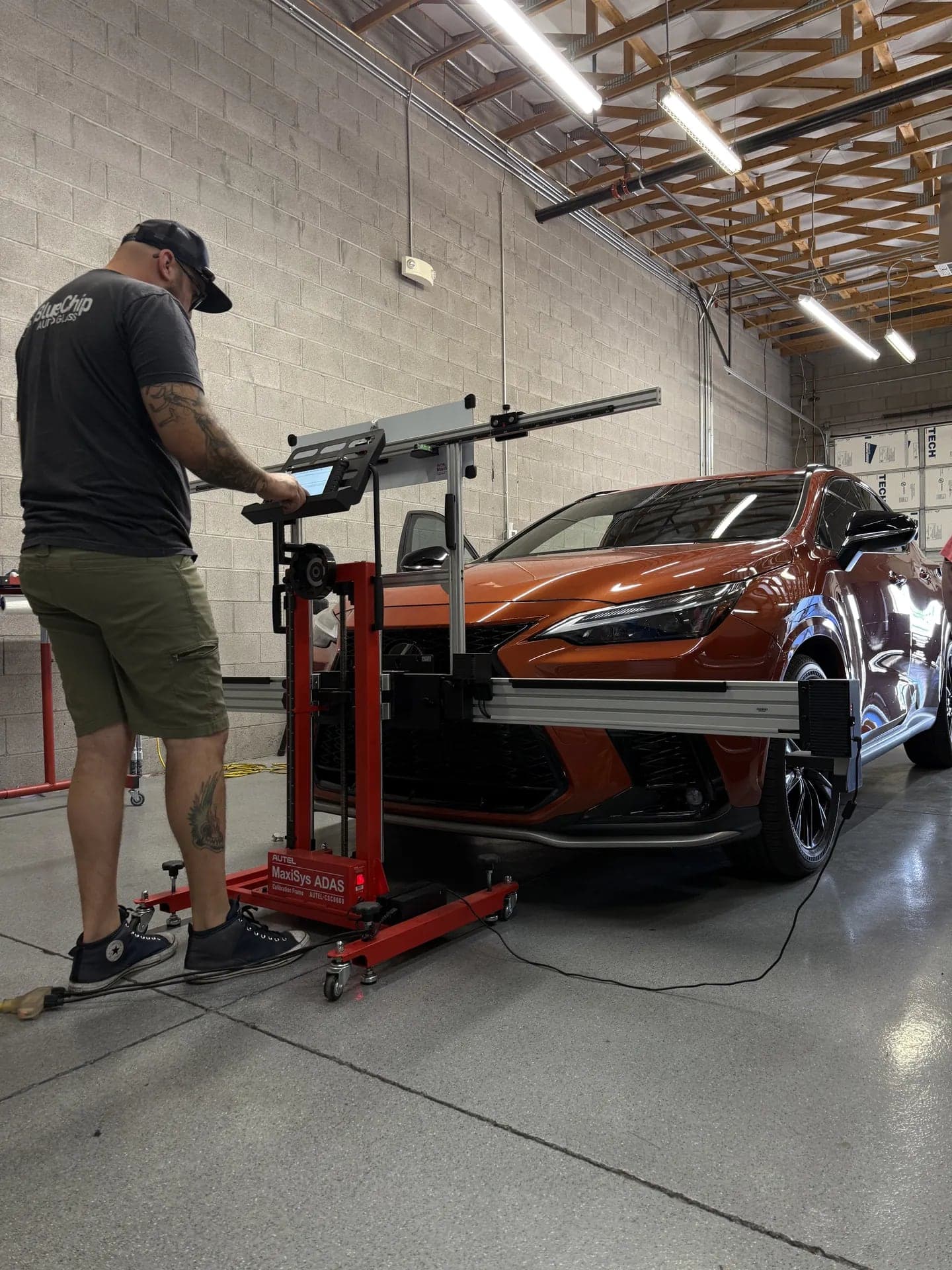
In our shop
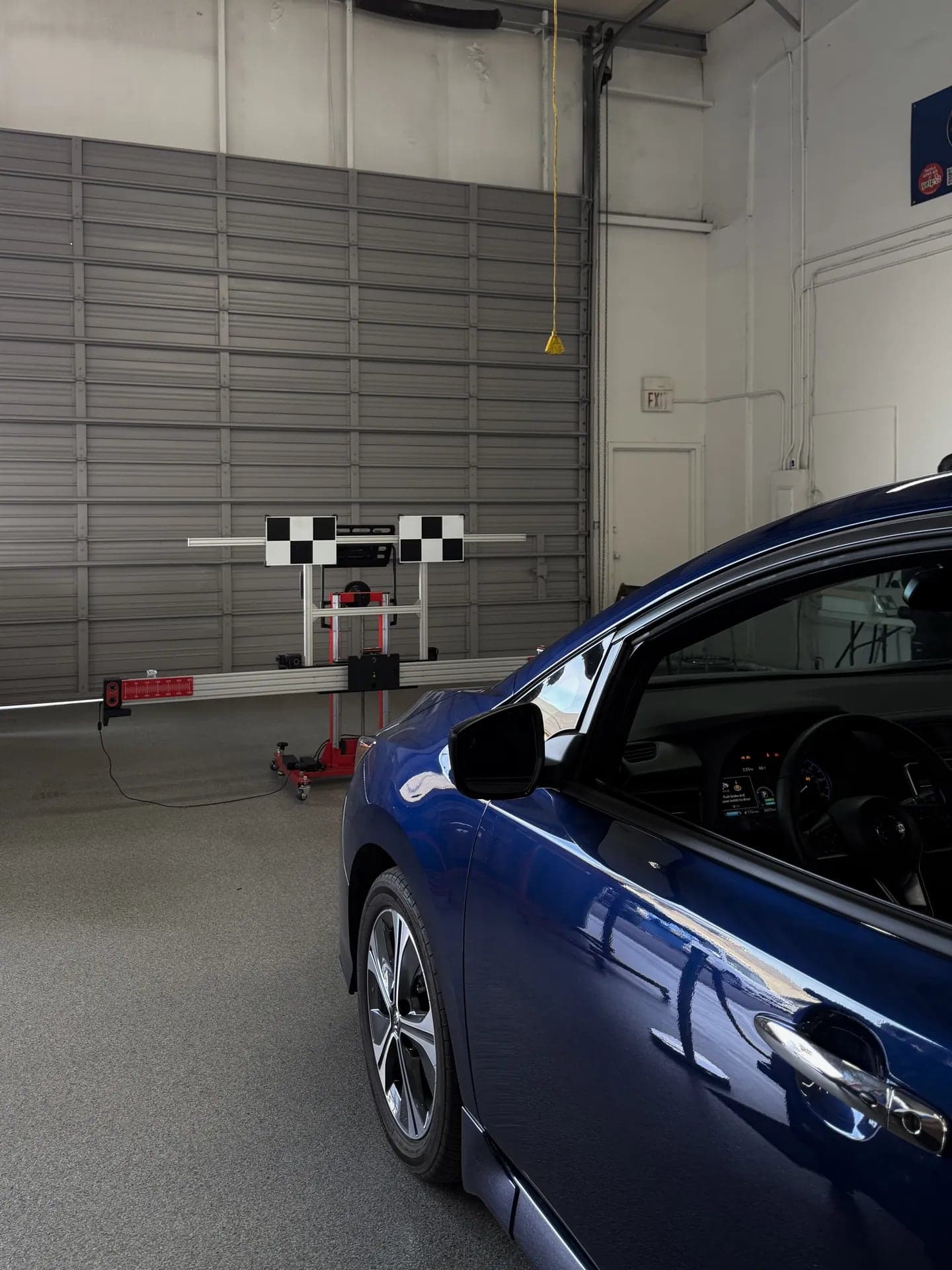
The Blue Chip standard
Every ADAS windshield replacement includes pre-installation diagnostics, manufacturer-required camera recalibration, applicable functional testing, and a final diagnostic scan.
Tesla calibration
Teslas get more than a reset
On a Tesla we verify the physical pitch of the forward cameras with Tesla's Camera Calibration Target, run the road calibration, and photograph the results before and after. Any Tesla calibration can be done mobile.
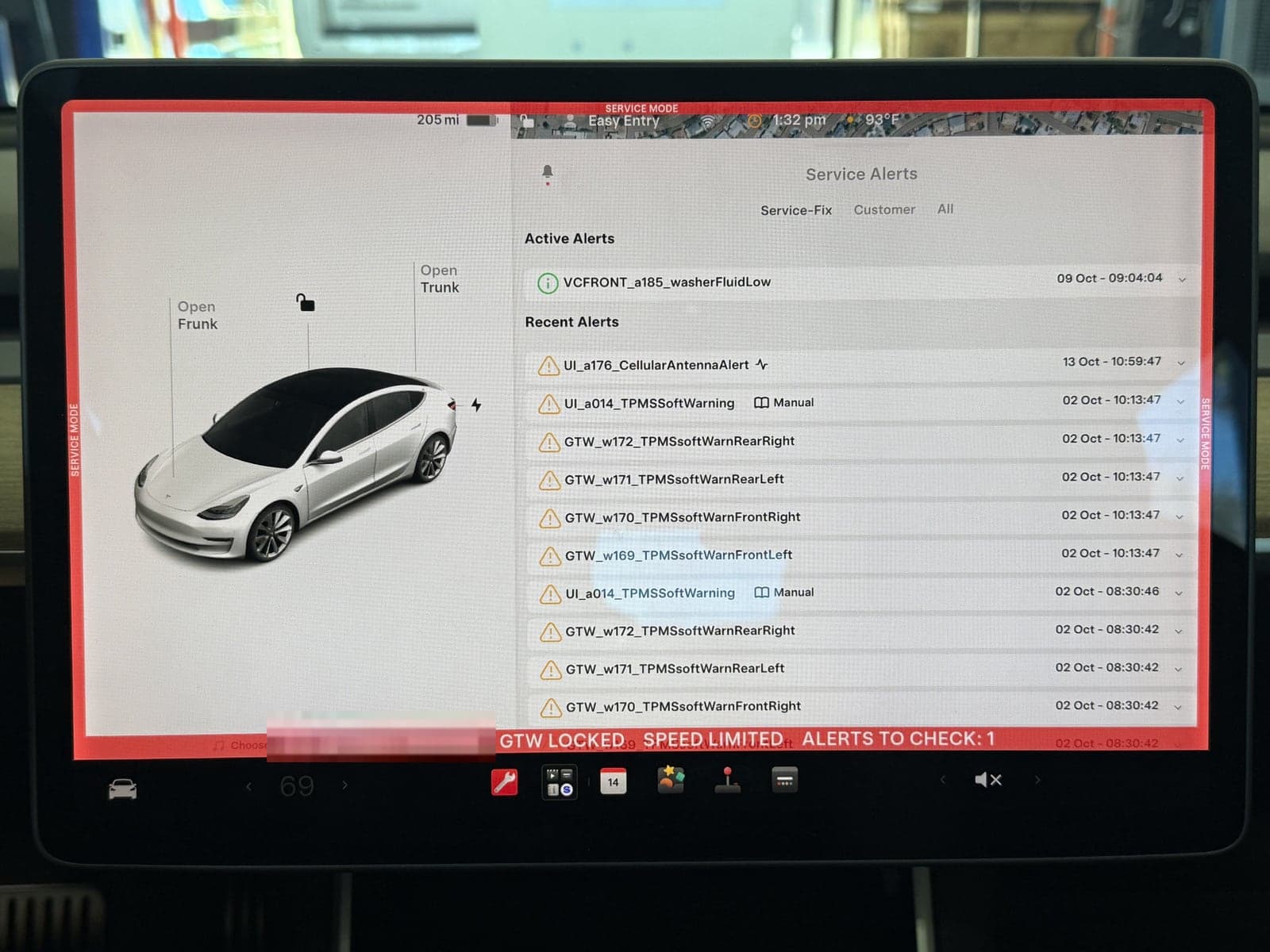
1Pre-scan photo. We take an identical one after the job.
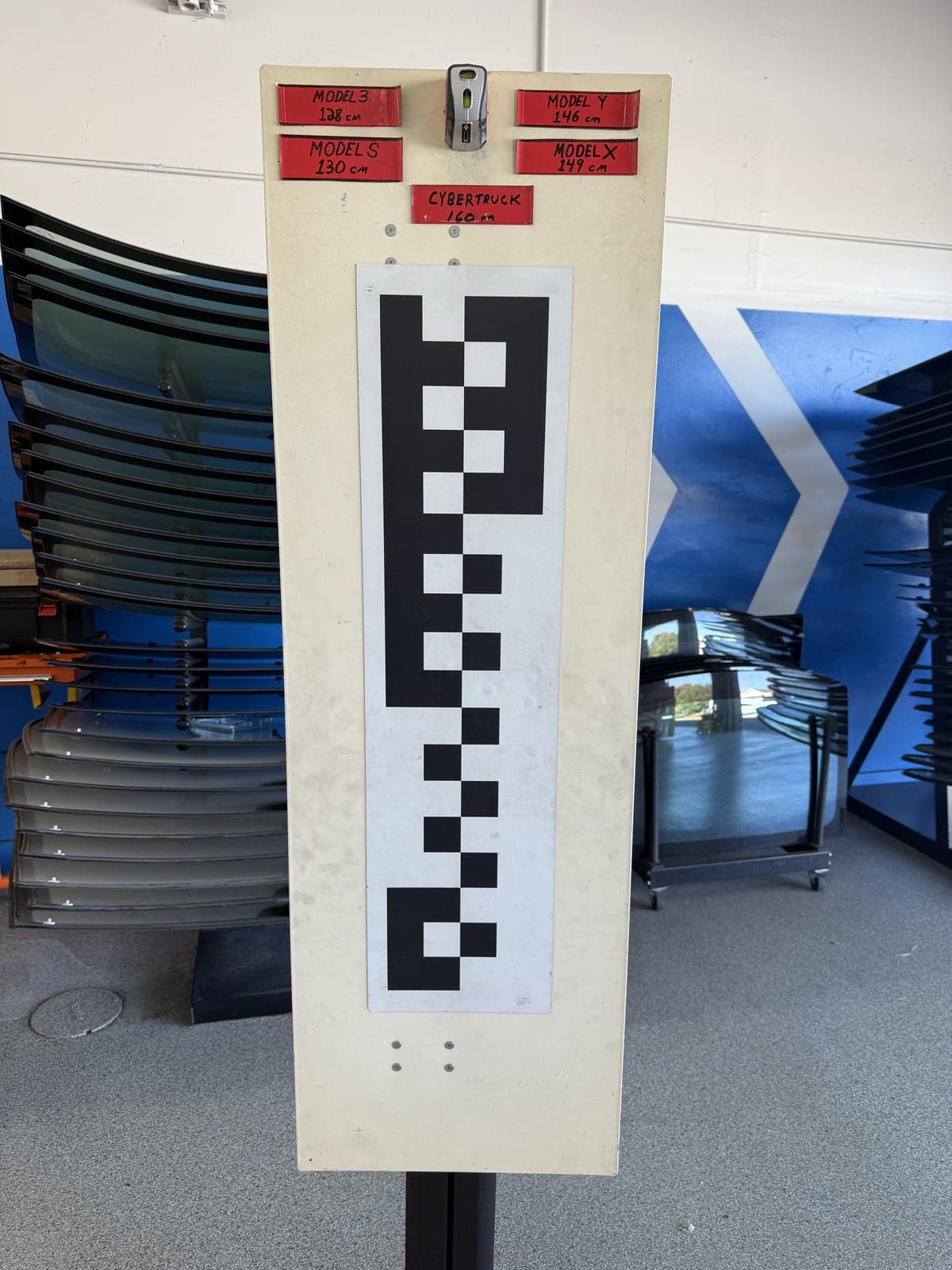
2Tesla's calibration target.
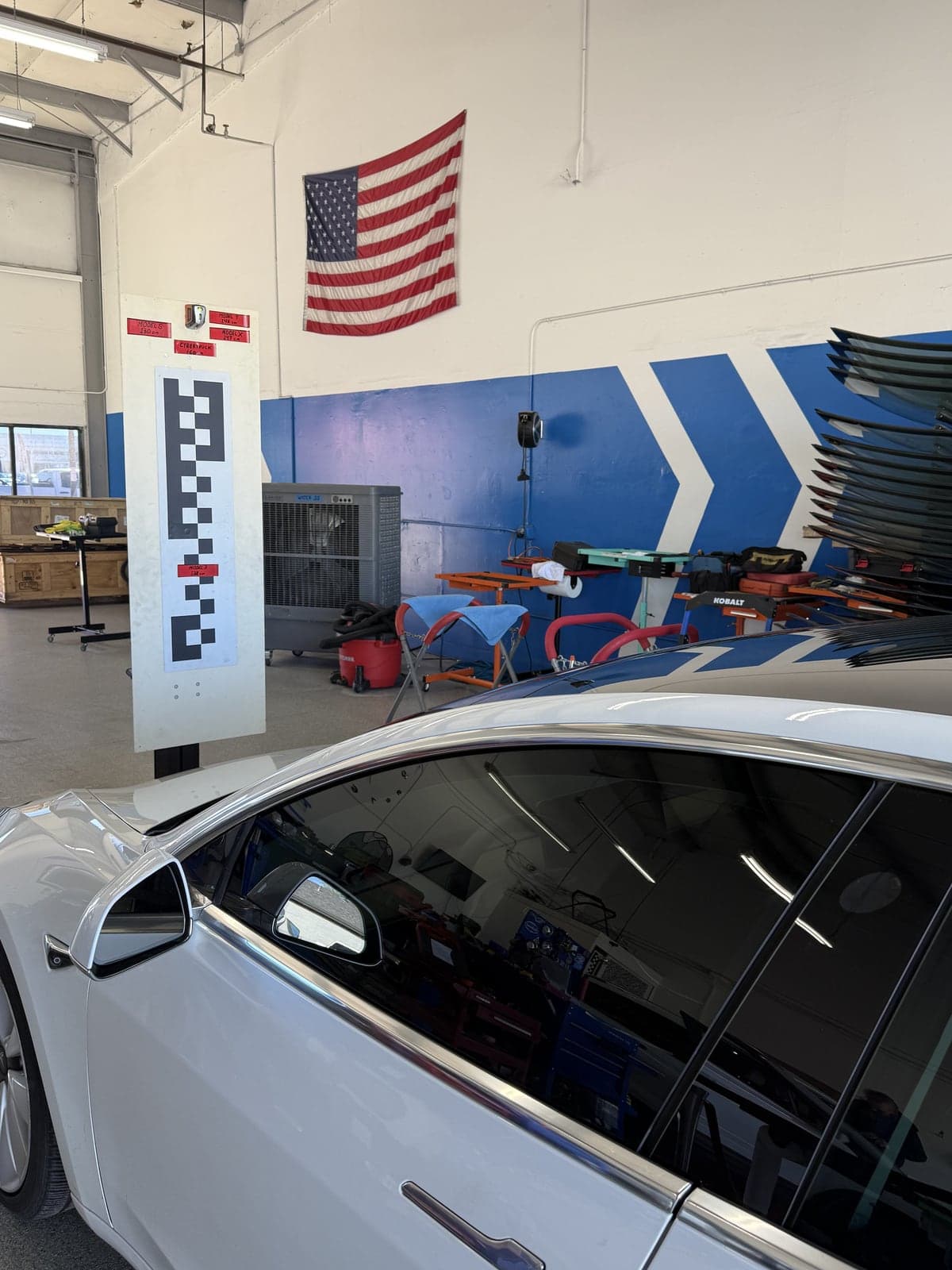
3Set at the height for that model.
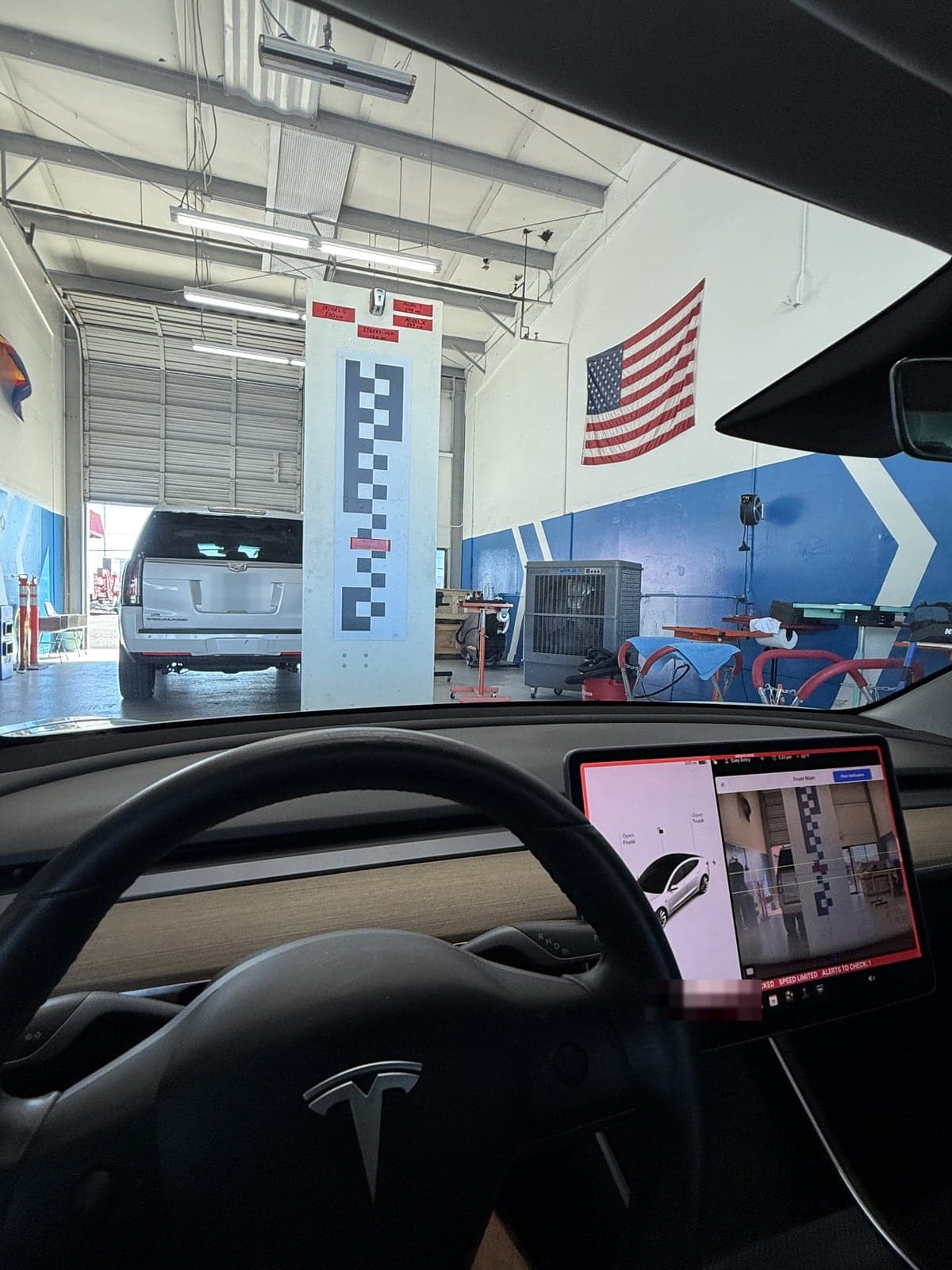
4Checked through the new glass.
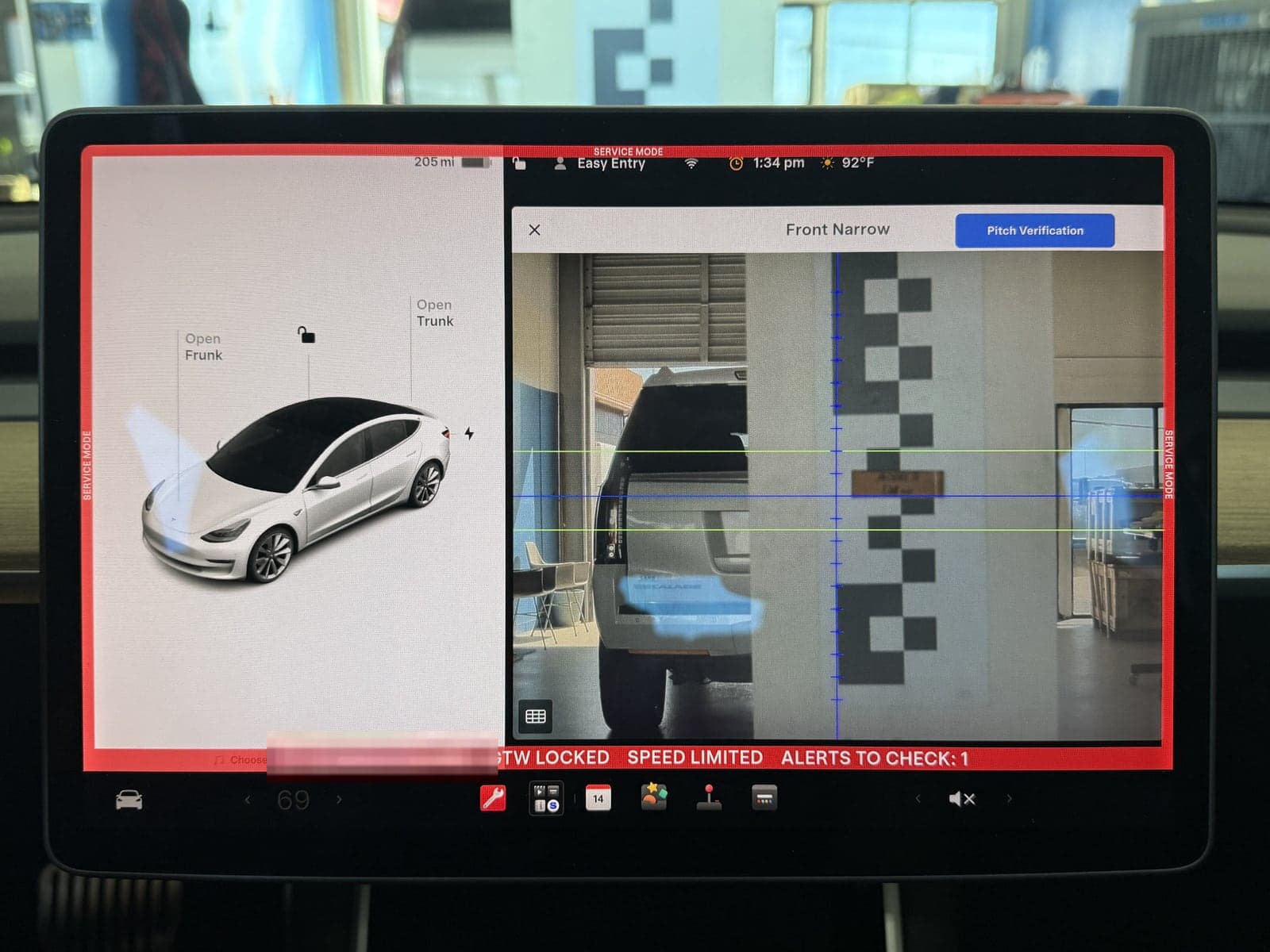
5Front Narrow camera (1 of 3).
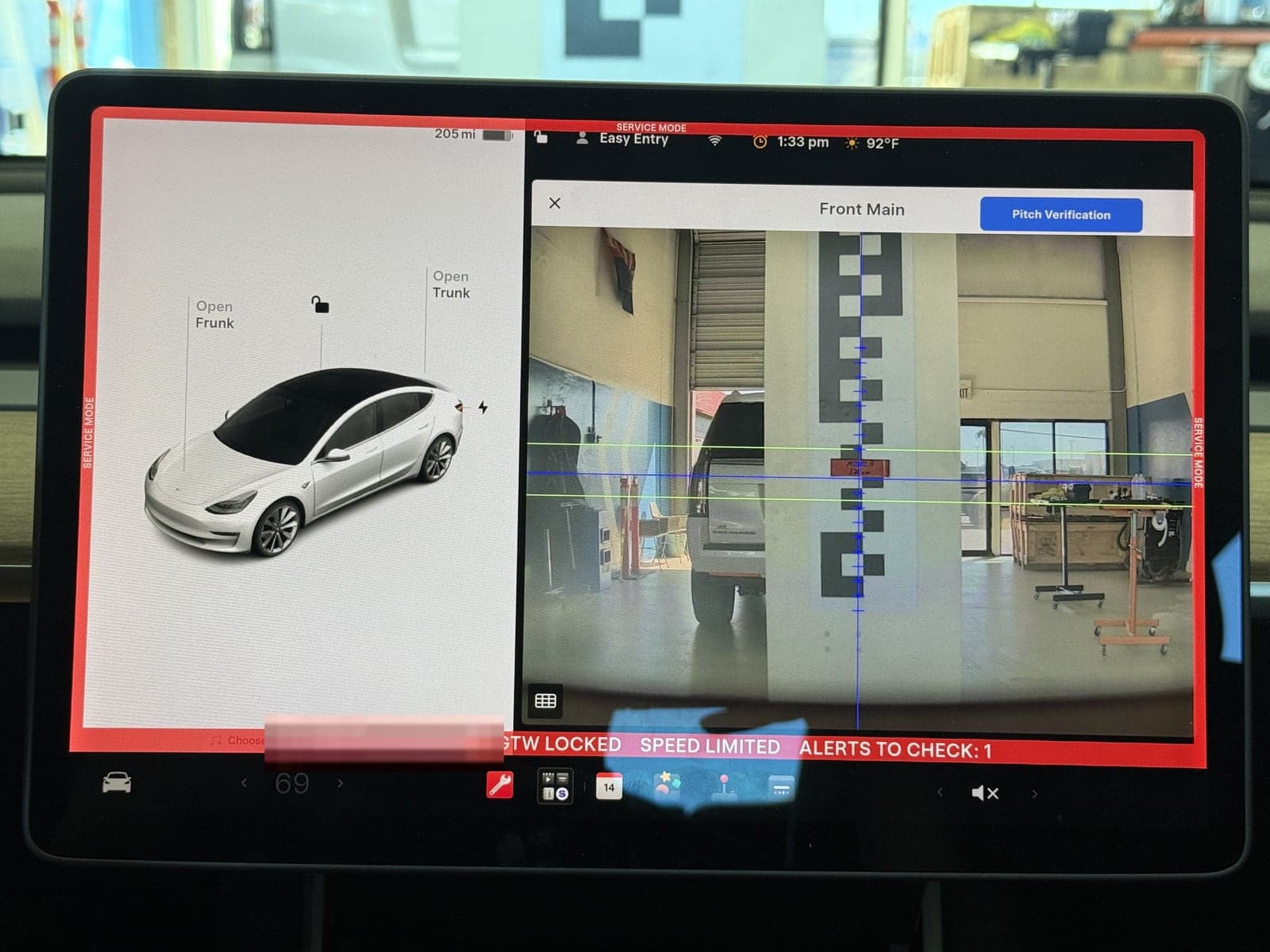
6Front Main camera (2 of 3).
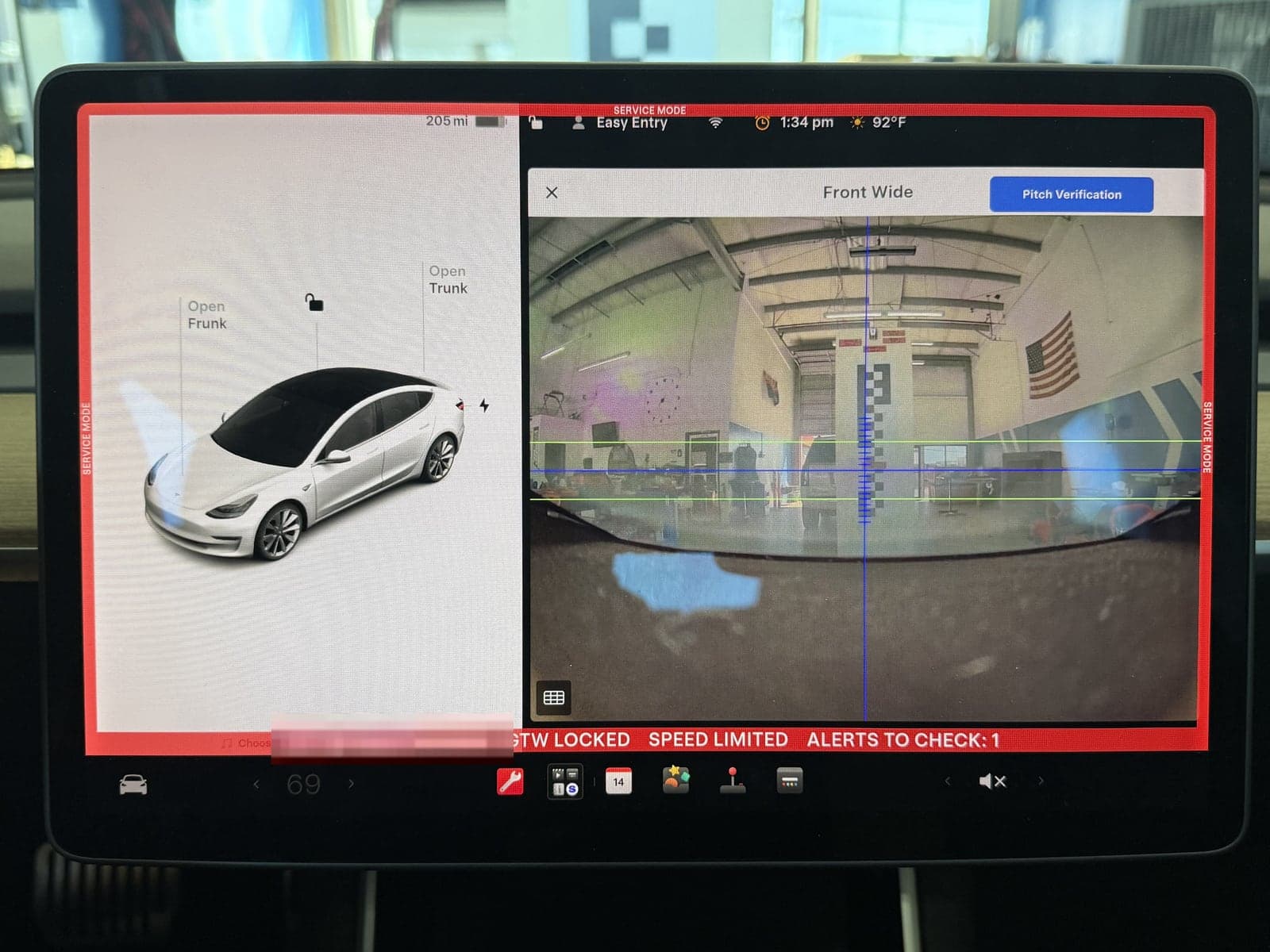
7Front Wide camera (3 of 3).
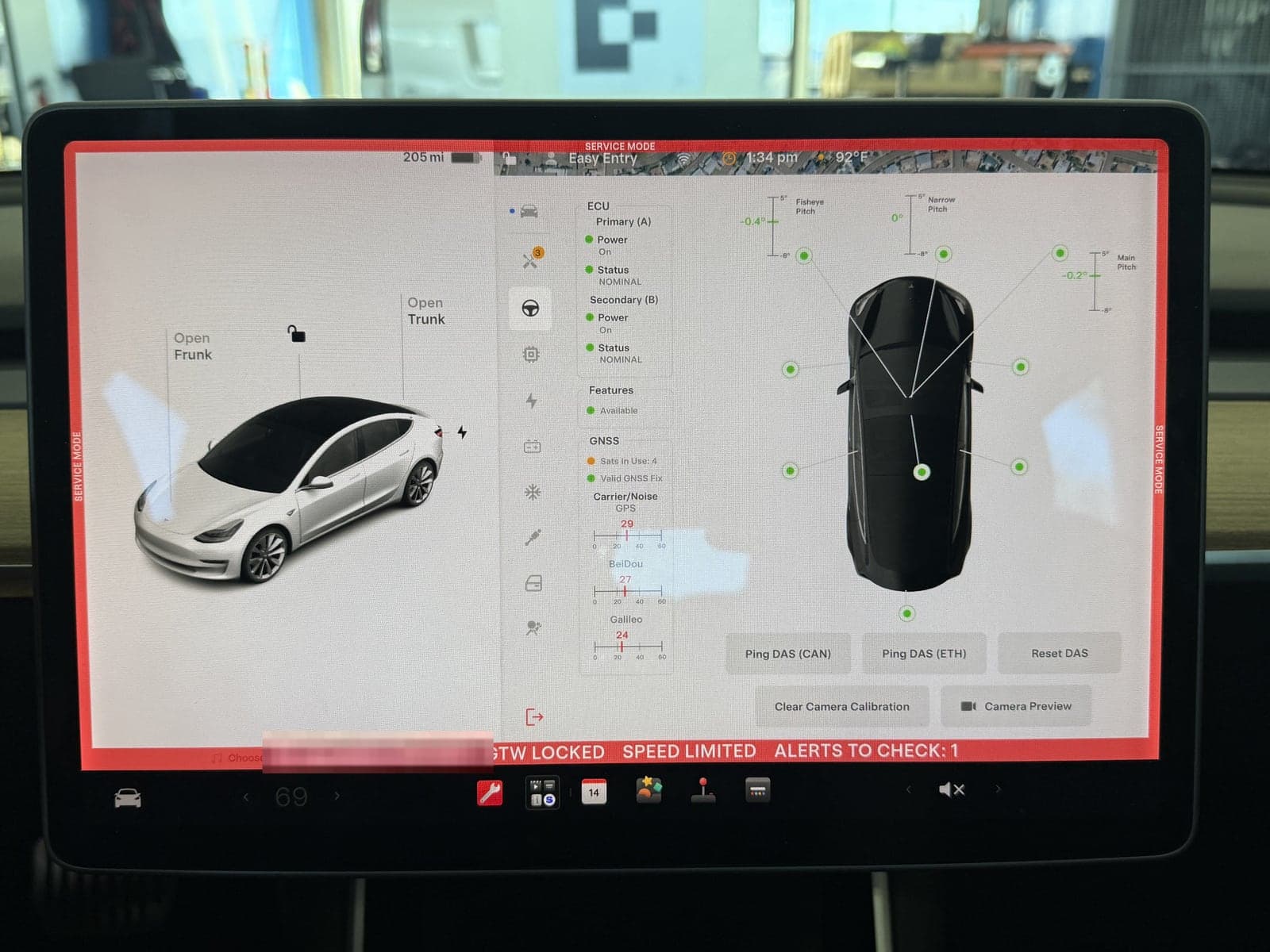
8Done: pitch readings for all 3 cameras.
Already had your glass replaced?
Signs your camera is off
If another shop replaced your windshield and something doesn't feel right, call us. We can check and calibrate it.
Call (602) 885-5330- A driver-assistance warning light on the dash after a windshield replacement
- Lane-keeping that tugs toward one side or switches off on its own
- Collision warnings that go off for no reason, or not at all
- Adaptive cruise that brakes late or keeps the wrong distance
Questions
ADAS calibration FAQ
Does every windshield replacement need ADAS calibration?
Not every vehicle has a windshield camera, but most newer ones do. We check your vehicle when you request a quote and tell you exactly what it needs.
Can calibration be done at my home or office?
Dynamic calibrations can be done on a mobile job. Static calibrations are done in our Phoenix or Mesa shop. Teslas are the exception: we can do any Tesla calibration mobile.
How do I know if my camera needs calibrating?
If your windshield was just replaced, it does. Other signs include a driver-assistance warning light, or lane-keeping and collision warnings that don't behave the way they used to.
Do you calibrate Teslas?
Yes. We verify camera pitch with Tesla's Camera Calibration Target, run the road calibration, and document the results. See how.
What we do
Quality glass. Exceptional service.
- Windshield ReplacementPrecision installation. Lifetime warranty.
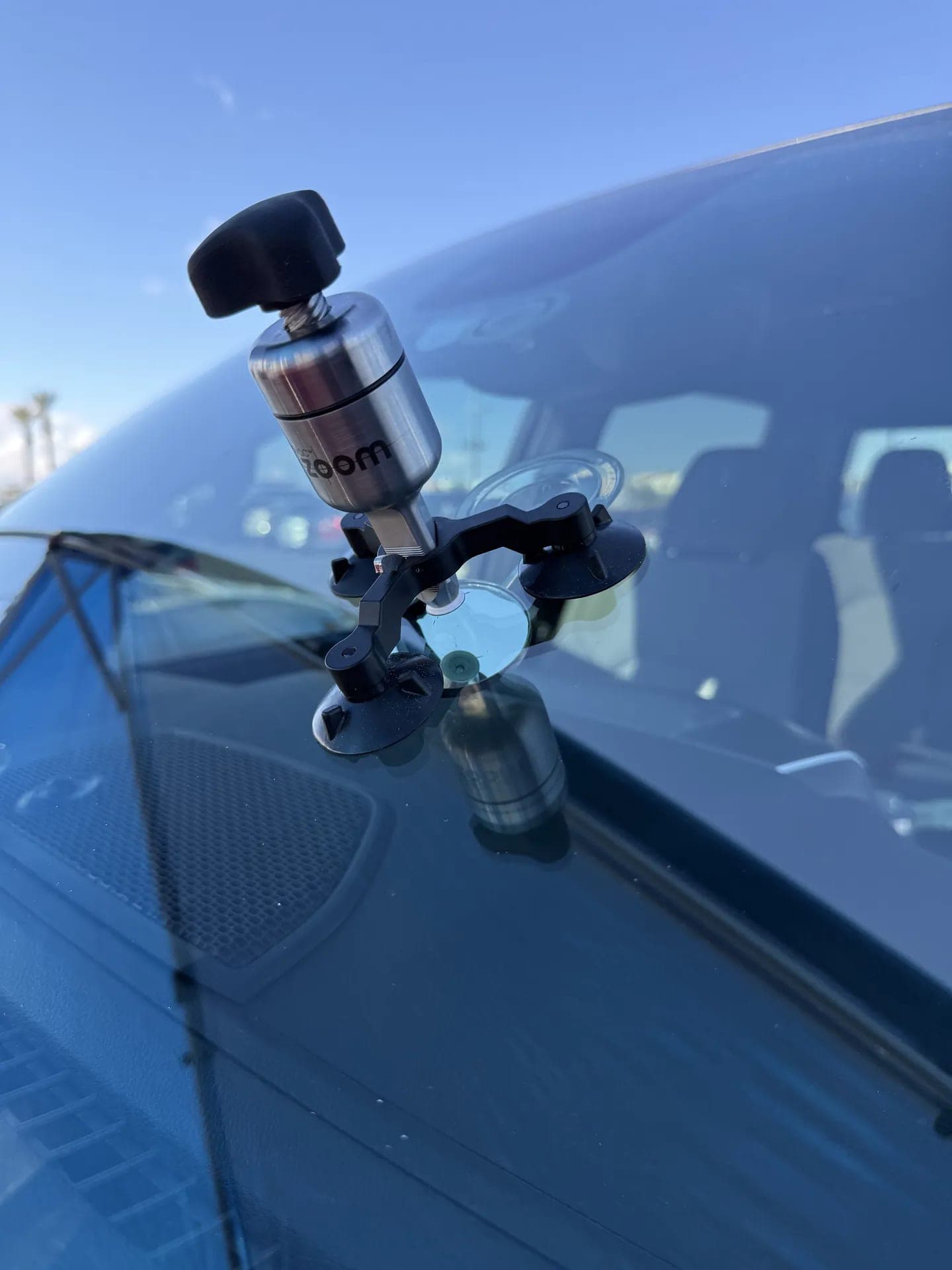 Auto Glass RepairChips and small cracks fixed before they spread.
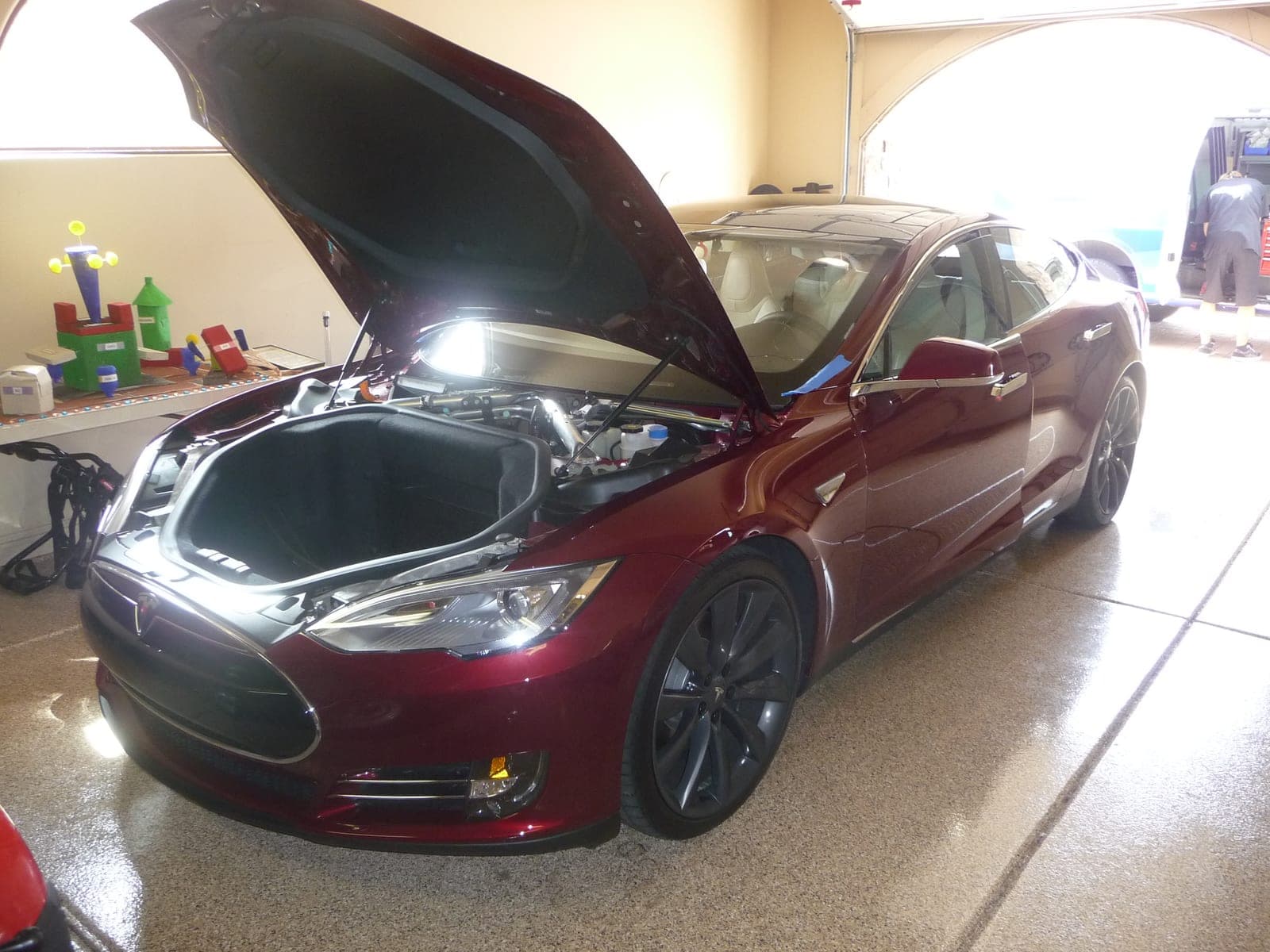 Tesla Auto GlassGlass service for the whole Tesla lineup.
 ADAS RecalibrationYou're on this page
 Mobile Windshield ReplacementWe come to your home, office or job site anywhere in the Valley. *Covered parking required; some recalibrations must be performed in-shop.
 Windshield TintCooler cabin, less glare, protected interior.
 Sunroof ReplacementSunroofs and panoramic glass roofs.
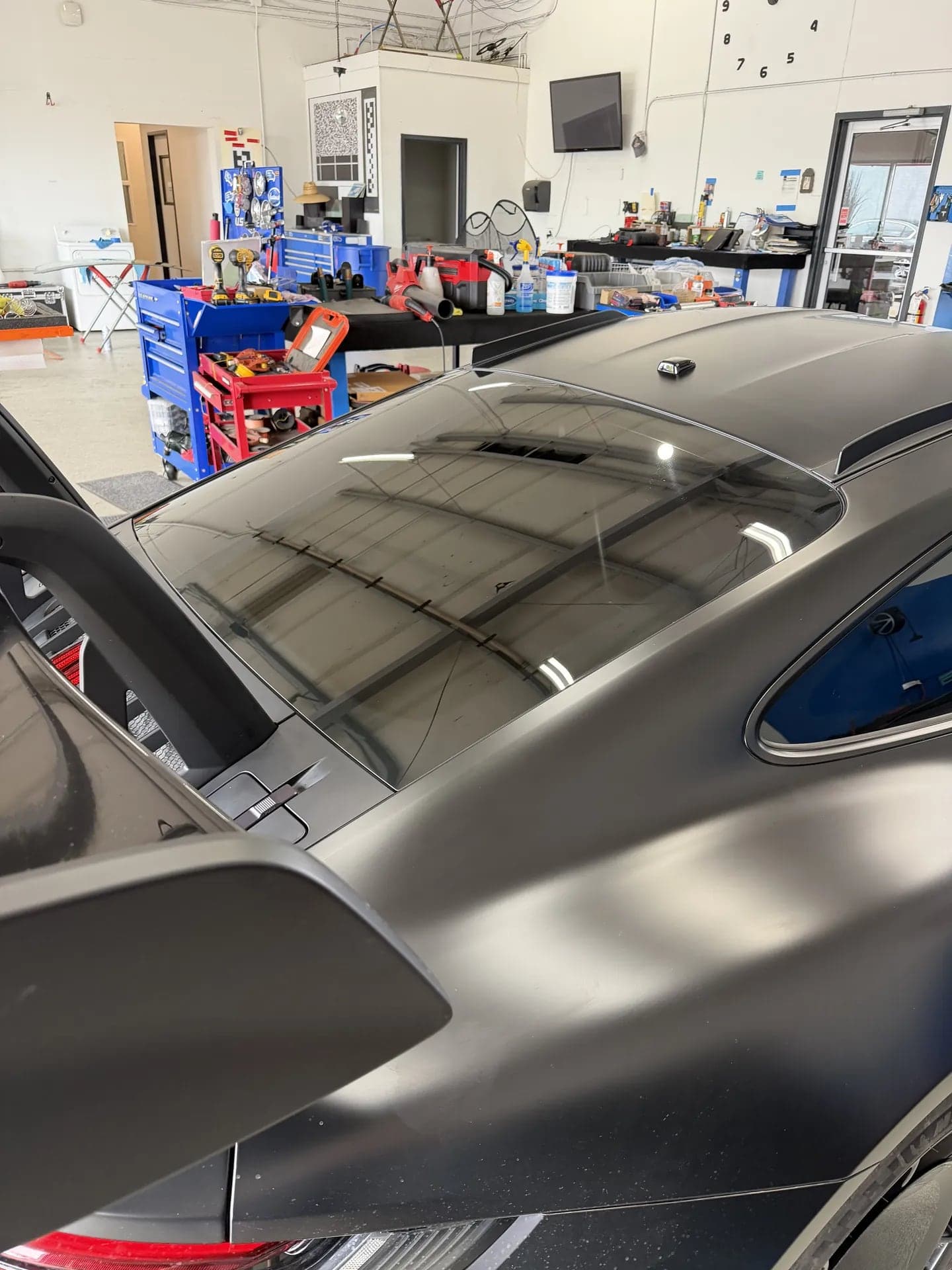 Backglass ReplacementRear windows, including defroster glass.
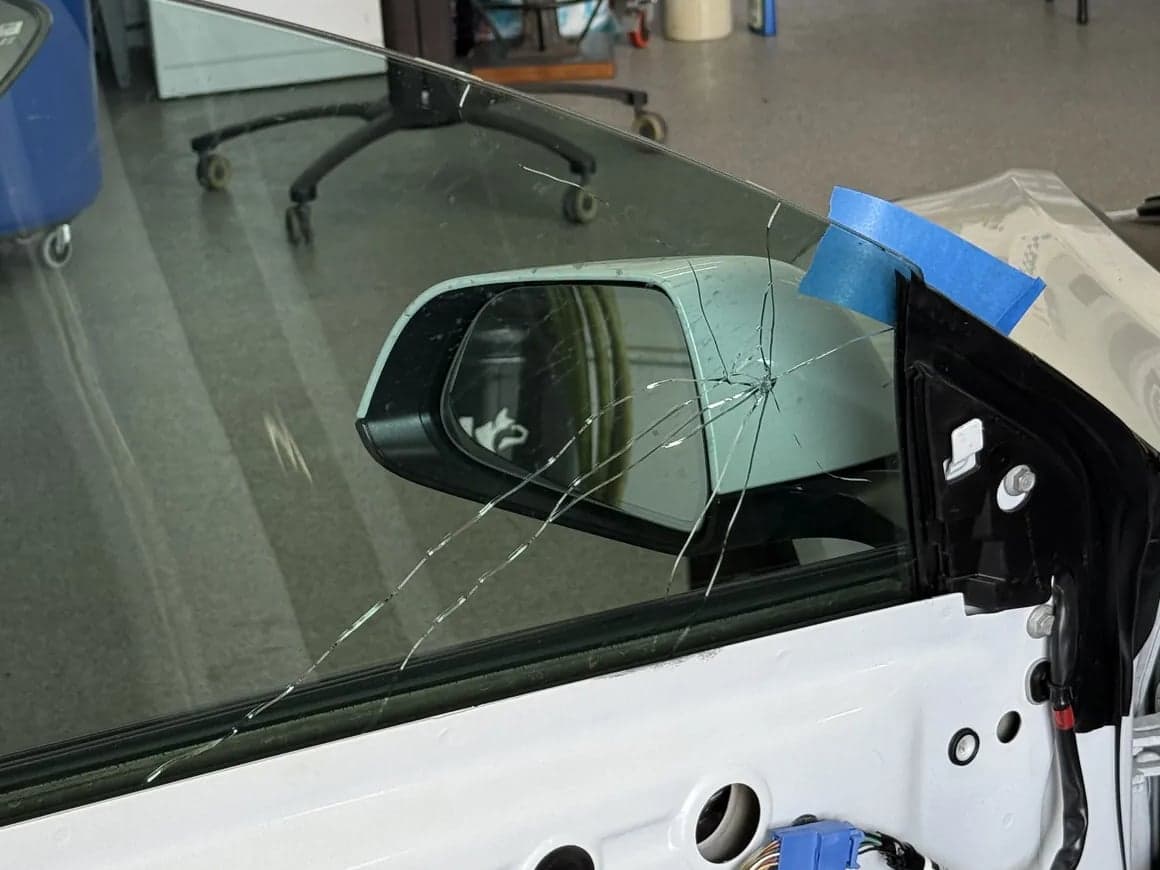 Door Glass ReplacementFront and rear door windows.
Request Repair Or Replacement Service
Answer a few quick questions and we'll get back to you fast, whether you're paying yourself or using insurance.
Prefer to talk to someone?
(602) 885-5330
Mon–Fri · 7:30 a.m.–5:00 p.m.